Thursday, April 30, 2026

U.S. FDA Grants Priority Review to BeOne Medicines’ TEVIMBRA in First-Line HER2+ GEA

 SAN CARLOS, Calif. - Wednesday, 29. April 2026 AETOSWire  


TEVIMBRA plus ZIIHERA and chemotherapy regimen delivered statistically significant median OS of 26.4 months, an unprecedented result in this challenging disease


Results from the global Phase 3 HERIZON-GEA-01 study demonstrate potential to change clinical practice in advanced HER2+ gastroesophageal adenocarcinoma


(BUSINESS WIRE)--BeOne Medicines Ltd. (Nasdaq: ONC; HKEX: 06160; SSE: 688235), a global oncology company, today announced that the U.S. Food and Drug Administration (FDA) has granted Priority Review to a supplemental Biologics License Application (sBLA) for TEVIMBRA® (tislelizumab) in combination with ZIIHERA® (zanidatamab) and chemotherapy for the first-line treatment of unresectable locally advanced/metastatic HER2-positive (HER2) gastric, gastroesophageal junction, or esophageal adenocarcinoma. The FDA has also granted Breakthrough Therapy Designation to the regimen of ZIIHERA in combination with fluoropyrimidine- and platinum-containing chemotherapy, with and without TEVIMBRA, in this indication.


Mark Lanasa, M.D., Ph.D., Chief Medical Officer, Solid Tumors, BeOne Medicines, said:


“HERIZON‑GEA‑01 has the potential to shift the treatment paradigm in this historically difficult-to-treat disease, with the TEVIMBRA-containing arm demonstrating an unprecedented 26-month survival benefit. The FDA’s Priority Review designation is a major milestone in our effort to bring better first‑line options to patients with HER2‑positive gastroesophageal adenocarcinoma. We will work in partnership with regulators to support the review process, with the aim of rapidly bringing this new treatment option to patients.”


Data supporting sBLA filing


The sBLA submission is based on the first interim analysis (IA1) of HERIZON-GEA-01, a global Phase 3 clinical trial designed to evaluate ZIIHERA plus chemotherapy, with and without TEVIMBRA, compared with the control arm of trastuzumab plus chemotherapy as first-line treatment for advanced/metastatic HER2+ GEA. Key findings of the trial include:


Overall survival (OS): The arm in which TEVIMBRA was added to ZIIHERA and chemotherapy resulted in a statistically significant improvement in OS (median OS of 26.4 months) at IA1. The ZIIHERA plus chemotherapy arm achieved a median OS of 24.4 months and the control arm resulted in a median OS of 19.2 months.

Progression-free survival (PFS): Both ZIIHERA-containing arms delivered a statistically significant and clinically meaningful improvement in median PFS of 12.4 months compared with 8.1 months in the control arm.

Improvement in OS and PFS was observed regardless of PD-L1 status.

The safety findings for the ZIIHERA plus TEVIMBRA and chemotherapy arm were generally consistent with the known effects of the components of the combination regimen, and no new safety signals were identified.

Project Orbis pathway


BeOne plans to participate in the FDA’s Project Orbis, an initiative that provides a framework for collaborative review of oncology products among international partners, for the submission of the HERIZON-GEA-01 data in territories in which BeOne holds the ZIIHERA license. With this pathway, BeOne aims to accelerate approval and patient access to this treatment, recognizing the global significance of the HERIZON‑GEA‑01 results, which demonstrated meaningful survival improvements in a disease where outcomes have remained largely unchanged for more than a decade.


About the HERIZON-GEA-01 Phase 3 Trial


HERIZON-GEA-01 (NCT05152147) is a global, randomized, open-label Phase 3 trial, conducted jointly with Jazz Pharmaceuticals, to evaluate and compare the efficacy and safety of ZIIHERA plus chemotherapy, with and without TEVIMBRA, to the standard of care (trastuzumab plus chemotherapy) as first-line treatment for adult patients with advanced/metastatic HER2+ GEA. The trial randomized 914 patients from approximately 300 trial sites in more than 30 countries. Patients for this trial had unresectable locally advanced, recurrent or metastatic HER2+ GEA (adenocarcinomas of the stomach or esophagus, including the gastroesophageal junction), defined as 3+ HER2 expression by IHC or 2+ HER2 expression by IHC with ISH positivity per central assessment. Patients were randomized to the three trial arms: ZIIHERA in combination with chemotherapy and TEVIMBRA; ZIIHERA in combination with chemotherapy; and trastuzumab plus chemotherapy. The trial is evaluating dual primary endpoints, PFS per blinded independent central review (BICR) and OS.


About Gastroesophageal Adenocarcinoma


Gastroesophageal adenocarcinoma (GEA), which includes cancers of the stomach, gastroesophageal junction, and esophagus, is the fifth most common cancer worldwide. Approximately 20% of GEA patients have HER2-positive disease1,2,3, which has high morbidity and mortality, and patients are urgently in need of new treatment options. The overall prognosis for patients with GEA remains poor, with a global five-year survival rate of less than 30% for gastric cancer and about 19% for GEA.4


About ZIIHERA (zanidatamab)


ZIIHERA (zanidatamab) is a bispecific human epidermal growth factor receptor 2, or HER2-directed antibody that binds to two extracellular sites on HER2. Binding of zanidatamab with HER2 results in internalization leading to a reduction in HER2 expression of the receptor on the tumor cell surface. Zanidatamab induces complement-dependent cytotoxicity (CDC), antibody-dependent cellular cytotoxicity (ADCC) and antibody-dependent cellular phagocytosis (ADCP). These mechanisms result in tumor growth inhibition and cell death in vitro and in vivo.5


Zanidatamab is being developed in multiple clinical trials as a targeted treatment option for patients with solid tumors that express HER2. Zanidatamab is approved in China for the treatment of patients who have unresectable, locally advanced, or metastatic HER2-high expression (IHC 3+) biliary tract cancer (BTC) and who have received prior systemic therapy. ZIIHERA has also been granted accelerated approval in the U.S. and conditional marketing authorization in the European Union for eligible BTC patients. Zanidatamab is being developed by Jazz and BeOne under license agreements from Zymeworks, which first developed the molecule. BeOne has licensed zanidatamab from Zymeworks in Asia (excluding India and Japan), Australia and New Zealand. Jazz Pharmaceuticals has rights in all other regions.


ZIIHERA is a registered trademark of Zymeworks BC Inc.


About TEVIMBRA (tislelizumab)


TEVIMBRA is a uniquely designed humanized immunoglobulin G4 (IgG4) anti-programmed cell death protein 1 (PD-1) monoclonal antibody with high affinity and binding specificity against PD-1. It is designed to minimize binding to Fc-gamma (Fcγ) receptors on macrophages, helping to aid the body’s immune cells to detect and fight tumors.


TEVIMBRA is the foundational asset of BeOne’s solid tumor portfolio and has shown potential across multiple tumor types and disease settings. The global TEVIMBRA clinical development program includes more than 15,000 patients enrolled to date in 30+ countries and regions across 72 trials, including 22 registration-enabling studies. TEVIMBRA is approved in 50 countries, and more than 1.9 million patients have been treated globally.


Select Important Safety Information


Serious and sometimes fatal adverse reactions occurred with TEVIMBRA treatment. Warnings and precautions include severe and fatal immune-mediated adverse reactions, including pneumonitis, colitis, hepatitis, endocrinopathies, dermatologic adverse reactions, nephritis with renal dysfunction, and solid organ transplant rejection. Other warnings and precautions include infusion-related reactions, complications of allogeneic HSCT, and embryo-fetal toxicity.


Please see full U.S. Prescribing Information including the U.S. Medication Guide.


The information in this press release is intended for a global audience. Product indications vary by region.


About BeOne


BeOne Medicines is a global oncology company that is discovering and developing innovative treatments for cancer patients worldwide. With a portfolio spanning hematology and solid tumors, BeOne is expediting development of its diverse pipeline of novel therapeutics through its internal capabilities and collaborations. The Company has a growing global team spanning six continents who are driven by scientific excellence and exceptional speed to reach more patients than ever before. To learn more about BeOne, please visit www.beonemedicines.com and follow us on LinkedIn, X, Facebook and Instagram.


Forward-Looking Statement


This press release contains forward-looking statements within the meaning of the Private Securities Litigation Reform Act of 1995 and other federal securities laws, including statements regarding the potential benefits of ZIIHERA and TEVIMBRA; the potential of TEVIMBRA plus ZIIHERA and chemotherapy to shift the treatment paradigm in first-line HER2-positive metastatic GEA; the potential opportunity to expand access; BeOne’s expectations regarding ZIIHERA’s and TEVIMBRA’s clinical development and regulatory milestones; BeOne’s plans to submit the data for publication; and BeOne’s plans, commitments, aspirations, and goals under the heading “About BeOne.” Actual results may differ materially from those indicated in the forward-looking statements as a result of various important factors, including BeOne's ability to demonstrate the efficacy and safety of its drug candidates; the clinical results for its drug candidates, which may not support further development or marketing approval; actions of regulatory agencies, which may affect the initiation, timing, and progress of clinical trials and marketing approval; BeOne's ability to achieve commercial success for its marketed medicines and drug candidates, if approved; BeOne's ability to obtain and maintain protection of intellectual property for its medicines and technology; BeOne's reliance on third parties to conduct drug development, manufacturing, commercialization, and other services; BeOne’s limited experience in obtaining regulatory approvals and commercializing pharmaceutical products and its ability to obtain additional funding for operations and to complete the development of its drug candidates and achieve and maintain profitability; and those risks more fully discussed in the section entitled “Risk Factors” in BeOne’s most recent quarterly report on Form 10-Q, as well as discussions of potential risks, uncertainties, and other important factors in BeOne's subsequent filings with the U.S. Securities and Exchange Commission. All information in this press release is as of the date of this press release, and BeOne undertakes no duty to update such information unless required by law.


To access BeOne media resources, please visit our Newsroom site.


____________________


1 Abrahao-Machado I.F., et al. HER2 testing in gastric cancer: An update WorldJGastroenterol. 2016;22(19):4619-4625.


2 Van Custem E., et al. HER2 screening data from ToGA: targeting HER2 in gastric and gastroesophageal junction cancer. Gastric Cancer. 2015;18(3):476-484.


3 Stroes, C.I., et al. A systematic review of HER2 blockade for the curative treatment of gastroesophageal adenocarcinoma: Successes achieved and opportunities ahead. CancerTreatRev. 2021;99:102249.


4 Battaglin F, et al. Molecular biomarkers in gastro-esophageal cancer: recent developments, current trends and future directions. Cancer Cell International. 2018;18(99).


5 ZIIHERA (zanidatamab-hrii) Prescribing Information. Palo Alto, CA: Jazz Pharmaceuticals, Inc.


View source version on businesswire.com: https://www.businesswire.com/news/home/20260429582815/en/


Permalink

https://www.aetoswire.com/en/news/2904202654632


Contacts

Investor Contact

Liza Heapes

+1 857-302-5663

ir@beonemed.com


Media Contact

Kyle Blankenship

+1 667-351-5176

media@beonemed.com
Dubaï enregistre le temps de coupure d’électricité le plus bas au monde, avec à peine 49 secondes par an

 Dubaï, Émirats Arabes Unis - mercredi, 29. avril 2026


DEWA établit un nouveau record mondial en matière de fiabilité du réseau électrique


S.E. Saeed Mohammed Al Tayer, S.E. Saeed Mohammed Al Tayer, Son Excellence Saeed Mohammed Al Tayer, directeur général et PDG de la Dubai Electricity and Water Authority (DEWA), a annoncé que DEWA a établi un record mondial avec la durée annuelle de coupure du courant la plus faible, mesurée par l’indicateur Customer Minutes Lost (CML), soit 0,82 minute (environ 49 secondes) de coupure par client et par an. Ce résultat remarquable permet à DEWA de battre son propre record mondial de fiabilité du réseau électrique, avec une amélioration de 13 % par rapport au précédent record de 0,94 minute, établi en 2024.


« Nous agissons en accord avec la vision et les directives de Son Altesse Cheikh Mohammed bin Rashid Al Maktoum, Vice-Président, Premier Ministre des Émirats Arabes Unis et souverain de Dubaï, afin de fournir les infrastructures d'électricité et d'eau les plus performantes, fiables et durables au monde. Nous mobilisons les technologies de pointe de la quatrième révolution industrielle, notamment l’intelligence artificielle, que nous intégrons pleinement aux stratégies et aux opérations de DEWA. Ce réseau intelligent constitue un pilier stratégique majeur, permettant de garantir des services conformes aux plus hauts standards de disponibilité, de fiabilité et d’efficacité. Cette approche soutient le Plan directeur urbain Dubaï 2040 et l’Agenda économique de Dubaï (D33), qui visent à positionner Dubaï parmi les trois grandes villes mondiales, » a déclaré Al Tayer.


Al Tayer a ajouté que le réseau intelligent (Smart Grid) de DEWA, ​​avec des investissements totalisant 7 milliards AED (1,9 milliard USD) à l’horizon 2035, constitue un levier technologique majeur, offrant des fonctionnalités avancées visant à accroître l’efficacité du transport et de la distribution de l’énergie, à réduire les coupures, à minimiser les pertes, à optimiser la gestion des charges électriques et à renforcer la satisfaction des clients et de l’ensemble des parties prenantes. Un programme clé lancé dans le cadre du réseau électrique intelligent (Smart Grid) est le Système de Restauration Automatique des Pannes du Réseau Intelligent (Automatic Smart Grid Restoration System), le premier du genre au Moyen-Orient et en Afrique du Nord. Ce système permet le contrôle, la gestion et la surveillance à distance du réseau électrique. Fonctionnant jour et nuit sans intervention humaine, il utilise des systèmes intelligents, innovants et centralisés capables de localiser et isoler automatiquement les pannes, et restaurer automatiquement le service, contribuant ainsi à accélérer la remise en service et à renforcer la fiabilité du réseau.


DEWA a réussi à réduire considérablement les minutes de coupure du courant par client (CML) par an à Dubaï, de 6,88 minutes en 2012 à seulement 0,82 minute en 2025. Ces chiffres sont bien inférieurs aux 15 minutes enregistrées en moyenne par les principales entreprises de services publics dans l'Union européenne. Cette performance illustre le leadership mondial de DEWA dans l’adoption de l’innovation et son engagement à fournir des services conformes aux plus hauts standards de fiabilité.


Le texte du communiqué issu d’une traduction ne doit d’aucune manière être considéré comme officiel. La seule version du communiqué qui fasse foi est celle du communiqué dans sa langue d’origine. La traduction devra toujours être confrontée au texte source, qui fera jurisprudence.


Permalink

https://www.aetoswire.com/fr/news/2904202654646


Contacts

Shaikha Almheiri


00971552288228

Dubai records the world’s lowest electricity customer minutes lost at just 49 seconds per year

 Dubai, United Arab Emirates - Wednesday, 29. April 2026


DEWA sets a new world record for service continuity


HE Saeed Mohammed Al Tayer, MD & CEO of Dubai Electricity and Water Authority (DEWA), announced that DEWA has set a new world record for the lowest electricity customer minutes lost (CML), at just 0.82 minutes (about 49 seconds) per year. With this significant achievement, DEWA has surpassed its own previous world record of 0.94 minutes in 2024, representing an improvement of around 13%.


“We work in line with the vision and directives of His Highness Sheikh Mohammed bin Rashid Al Maktoum, Vice President and Prime Minister of the UAE and Ruler of Dubai, to provide the best electricity and water infrastructure in the world. We utilise the latest technologies of the Fourth Industrial Revolution, particularly artificial intelligence, which we are fully integrating into DEWA’s strategies and operations. The smart grid is a fundamental pillar of DEWA’s strategy to deliver services according to the highest standards of availability, reliability and efficiency. This supports the Dubai 2040 Urban Master Plan and the Dubai Economic Agenda (D33), which seek to consolidate Dubai’s position among the top three global cities,” said Al Tayer.


Al Tayer explained that the Smart Grid, which DEWA is implementing with total investments of AED 7 billion up to 2035, provides advanced features that enhance the efficiency of energy transmission and distribution, reduce outages, minimise losses, improve electrical load management and enhance the happiness of customers and all stakeholders. One of the key programmes is the Automatic Smart Grid Restoration System, the first of its kind in the Middle East and North Africa. The system enables remote, round-the-clock control, management and monitoring without human intervention, through innovative centralised systems that automatically locate and isolate faults and restore service, accelerating power restoration and increasing reliability.


DEWA reduced CML in Dubai from 6.88 minutes per year in 2012 to just 0.82 minutes in 2025, significantly lower than the average of approximately 15 minutes recorded by leading utility companies in the European Union. This underlines DEWA’s global leadership in adopting innovation to deliver services according to the highest reliability standards.


Permalink

https://www.aetoswire.com/en/news/2904202654633


Contacts

Shaikha Almheiri


00971552288228

Wednesday, April 29, 2026

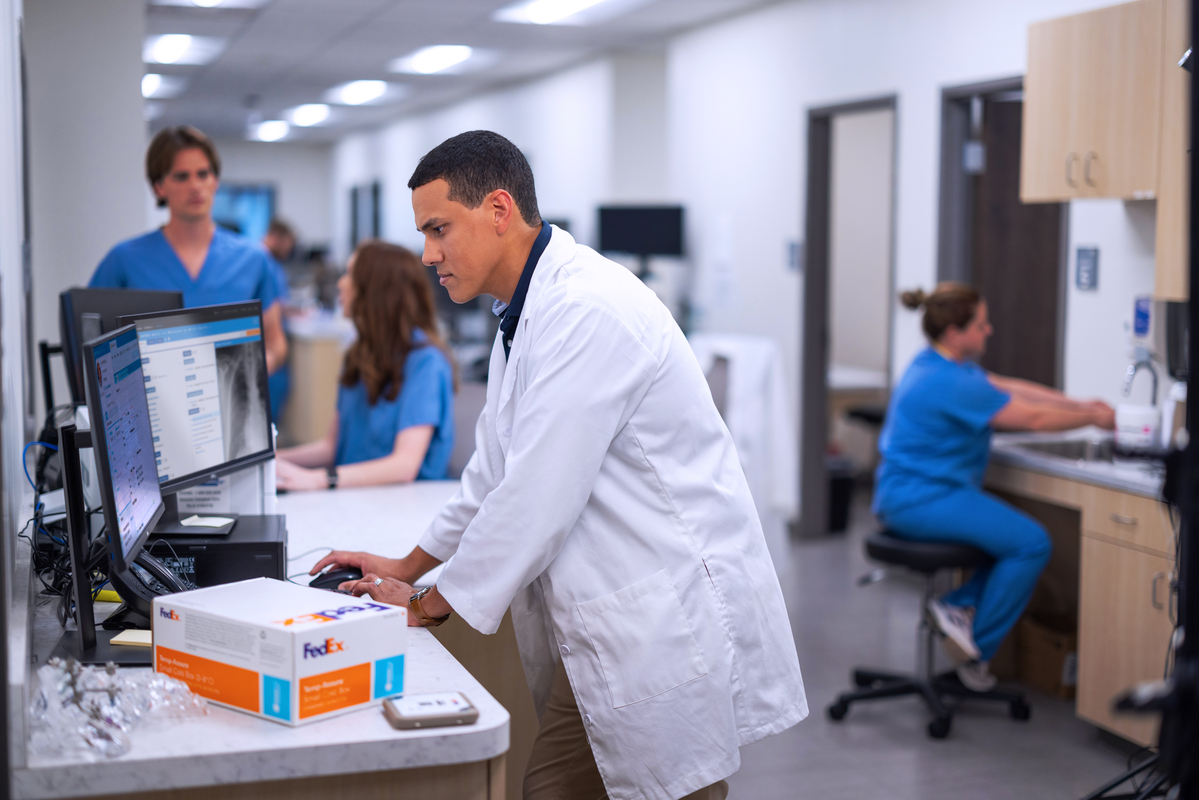
Dans un marché en constante évolution, FedEx aide les entreprises à maintenir le bon acheminement des marchandises


Le conflit en cours au Moyen-Orient continue  de produire ses effets sur l'économie mondiale. L’évolution des conditions opérationnelles engendre des perturbations majeures dans les chaînes d’approvisionnement mondiales, soulignant le besoin d’agilité et de résilience du secteur logistique.


Les dynamiques régionales et mondiales en constante évolution ont profondément déstabilisé la logistique mondiale, provoquant un choc systémique sur les routes commerciales maritimes mondiales et entrainant des contraintes de capacité sans précédent. Les données récentes indiquent que la capacité du fret aérien en provenance du Moyen-Orient et de l’Asie du Sud reste en déficit d'environ 20 % par rapport à l'an passé[1]. Dans ce contexte, garantir la continuité des chaînes d’approvisionnement du secteur de la santé requiert une approche résiliente qui dépasse la simple capacité logistique de base, misant avant tout sur la flexibilité et la capacité à s’adapter rapidement.


« Au fur et à mesure  que les conditions du marché évoluent, la solidité d’un réseau logistique  réside dans sa capacité à s’adapter sans compromettre sa fiabilité », a déclaré Taarek Hinedi, vice-président des opérations chez FedEx Moyen-Orient, sous-continent indien et Afrique (MEISA). « Pour les entreprises, cela constitue désormais un impératif stratégique majeur, les chaînes d’approvisionnement, pilier central de la compétitivité stratégique, sont désormais indissociables de l’accès aux marchés, de la planification et des engagements envers les clients. Dans le domaine de la santé, la logistique dépasse le simple transport ; elle consiste également à  protéger et garantir l’accès à des équipements critiques, à des médicaments et à des traitements vitaux, lorsque chaque instant compte et que l’intégrité des expéditions est essentielle. Dans ce contexte, l’expérience, la résilience et la solidité d’un réseau mondial agile et bien établi jouent un rôle décisif. »


Développer un réseau fondé sur la flexibilité et l’adaptabilité


Cette approche se traduit dans la manière dont FedEx conçoit et exploite son réseau, en intégrant la flexibilité non seulement dans son infrastructure, mais aussi dans le suivi en temps réel, le routage intelligent et la gestion des expéditions. Dans les opérations aériennes et terrestres, l’accès à des points d’entrée alternatifs et à des solutions multimodales permet des ajustements rapides en fonction des perturbations ; tandis que les outils numériques fournissent les capacités d’analyse nécessaires pour anticiper les perturbations et permettre une intervention précoce. Les outils tels que FedEx SenseAware et FedEx Surround constituent des éléments essentiels de ce modèle, et offrent une visibilité en quasi-temps réel ainsi que des analyses prédictives qui aident les entreprises à anticiper les aléas, protéger les colis sensibles et prendre des décisions logistiques éclairées.

Un réseau mondial diversifié renforce davantage cette capacité. FedEx a mis en place des points d’entrée internationaux alternatifs, notamment Johannesburg, Nairobi, Istanbul et Amsterdam afin de maintenir une connectivité fluide entre le Moyen-Orient, l’Europe et les États-Unis. En parallèle, le FedEx Middle East Road Network facilite la redistribution fluide des expéditions depuis des hubs clés tels que Dubaï et Riyad à travers le CCG et la Jordanie, tout en s’étendant vers de nouveaux corridors, notamment l’Iraq.


Cette agilité opérationnelle se reflète également au niveau des opérations locales. En cas de contraintes d’accès temporaires, FedEx met en œuvre des protocoles de livraison de secours, reposant sur des points de retrait alternatifs, afin de maintenir la continuité des opérations, tout en privilégiant la sécurité des collaborateurs et des clients.


Préserver la continuité opérationnelle des expéditions critiques


Les chaînes d’approvisionnement fiables sont essentielles pour les produits à forte valeur ajoutée dans de nombreux secteurs, notamment dans le secteur de la santé, où chaque instant compte.


Récemment, FedEx a assuré l’acheminement de 44 palettes d’équipements médicaux depuis les Pays-Bas vers les Émirats Arabes Unis,  pour le compte d’une entreprise mondiale de technologies médicales. Cette expédition, pesant environ 6,3 tonnes et d’une valeur supérieure à 2,3 millions de dollars, comprenait des dispositifs cardiaques et chirurgicaux destinés à des hôpitaux aux Émirats arabes unis. En moins de 24 heures, les équipes de FedEx en Europe et au Moyen-Orient ont mis en place une solution de fret aérien intégrée, assurant la coordination de la collecte, du routage et du dédouanement, afin de garantir la disponibilité de ces équipements pour des interventions médicales urgentes programmées.


FedEx a également priorisé l’acheminement de traitements anticancéreux vers l’Inde, en contournant les contraintes existantes et en réorientant l’expédition via des connexions européennes alternatives. Les ajustements synchronisés en temps réel entre les différents hubs ont permis de préserver la continuité opérationnelle malgré les contraintes affectant le réseau.


Protéger l’intégrité des expéditions à chaque étape du transport


Les chaînes d’approvisionnement pharmaceutiques exigent souvent une approche hautement spécialisée et adaptée pour garantir l’intégrité, la sécurité et l’efficacité des produits, particulièrement lorsqu’il s’agit de médicaments thermosensibles, et des durées de transit prolongées.


Dans un autre cas, les équipes de FedEx aux Émirats Arabes Unis ont assuré la gestion d’une expédition médicale hautement urgente en provenance des États-Unis, nécessitant un transport sous température contrôlée avant son acheminement routier vers le Qatar. L’envoi a été identifié, conservé dans un environnement réfrigéré, puis reconditionné avec des packs de gel afin de garantir et maintenir les températures requises pendant tout le transit.


Fort de son expertise spécialisée dans la logistique des soins de santé, FedEx assure également des expéditions critiques (just-in-time) sous température contrôlée pour une entreprise pharmaceutique de premier plan, transportant des traitements urgents contre l’asthme afin de répondre aux contraintes d’approvisionnement, tout en préservant l’intégrité des produits et leur disponibilité.


Grâce à une combinaison de services de fret international prioritaire et des solutions adaptées pour les colis sensibles, FedEx soutient également un client pharmaceutique indien établi dans le transport de médicaments génériques vers les États-Unis, garantissant un approvisionnement constant dans un environnement volatil.


La résilience logistique en période de crise repose sur la flexibilité, la planification et l’exécution opérationnelle. Face à une volatilité croissante, la capacité des chaînes d’approvisionnement à s’adapter rapidement demeure un facteur clé pour préserver la continuité du commerce mondial. FedEx continuera de renforcer son réseau, ses capacités et son expertise afin d’aider les entreprises à naviguer dans un contexte de changement en toute confiance.


***


Le texte du communiqué, issu d’une traduction,  ne doit en aucun cas être considéré comme officiel.  La seule version du communiqué qui fasse foi est celle du communiqué dans sa langue d’origine. La traduction devra toujours être confrontée au texte source, qui fera jurisprudence.


[1] Tendances hebdomadaires du fret aérien de WorldACD 2026 – Semaine 15


Contacts

Natali Fahmi

FedEx

natali.fahmi@fedex.com


As Market Conditions Shift, FedEx Helps Businesses Keep Goods Moving


Evolving operating conditions across the Middle East are adding complexity to global supply chains, increasing the need for agility and preparedness across the logistics sector.


As global and regional dynamics shift, key trade lanes are experiencing tighter capacity. Recent data shows that air cargo capacity from the Middle East and South Asia remains around 20% below year-ago levels[1]. In this environment, maintaining continuity in healthcare supply chains requires more than capacity. It depends on flexibility and the ability to adapt quickly.


“In changing market conditions, the strength of a logistics network is measured by its ability to respond without compromising reliability,” said Taarek Hinedi, VP Operations at FedEx MEISA. “For businesses, this matters because supply chains are now closely tied to market access, planning, and customer commitments. In healthcare logistics, it also means helping protect access to critical equipment, medicines, and life-saving treatments when timing and shipment integrity matter most. This is where experience, resilience, and a well-established, agile global network can make a meaningful difference.”


Building flexibility into the network


This approach is reflected in how FedEx designs and operates its network, embedding flexibility not only in its infrastructure but also in the real-time monitoring, routing, and management of shipments. Across air and ground operations, access to alternative gateways and multimodal options enables rapid adjustments as conditions change, while digital solutions provide the intelligence needed to act early. Tools such as FedEx SenseAware and FedEx Surround are integral to this model, offering near real-time visibility and predictive insights that help businesses anticipate disruptions, safeguard sensitive shipments, and make informed logistics decisions.


A diversified global network further strengthens this capability. FedEx has introduced alternative international gateways such as Johannesburg, Nairobi, Istanbul, and Amsterdam to maintain efficient connectivity between the Middle East, Europe, and the United States. This is complemented by the FedEx Middle East Road Network, enabling seamless redistribution from key hubs such as Dubai and Riyadh across the GCC and Jordan, while expanding into new routes such as Iraq.


This agility also extends to local operations. During temporary access constraints, FedEx has implemented contingency delivery models, with alternative package pickup locations, to maintain service continuity while prioritizing the safety of team members and customers.


Delivering continuity for critical shipments


Reliable supply chains are essential for high-value products across industries, particularly in healthcare where timing matters.


Recently, FedEx facilitated the movement of 44 pallets of medical equipment from the Netherlands to the UAE for a global medical technology company. The shipment, weighing approximately 6.3 tons and valued at more than US$2.3 million, included cardiac and surgical devices for hospitals across the UAE. FedEx teams in Europe and the UAE mobilized an air freight solution within 24 hours, coordinating collection, routing, and clearance, to ensure the timely availability for urgent scheduled procedures.


FedEx also prioritized the movement of cancer medication to India by rerouting the shipment through alternative European connections. Coordinated, real-time adjustments across hubs ensured continuity despite network constraints.


Protecting shipment integrity in transit


Pharmaceutical supply chains often require a tailored approach to preserve integrity, particularly for temperature-sensitive products and during extended transit times.


In another case, FedEx teams in the UAE supported a time-critical medical emergency shipment from the United States requiring temperature-controlled handling before onward road transport to Qatar. The shipment was identified, placed in refrigerated storage, and repacked with gel packs to maintain required temperatures throughout transit.


Drawing on its specialized healthcare handling capability, FedEx is supporting just-in-time, temperature-controlled shipments for a leading pharmaceutical company, transporting urgent asthma medication to address supply chain shortages, preserving product integrity and supporting availability.


Using a combination of international priority freight services and tailored handling for sensitive shipments, FedEx is also supporting a long-standing Indian pharmaceutical customer moving generic medicines into the United States, helping maintain consistent supply amid changing conditions.


Resilience in logistics is built through flexibility, planning, and execution. As supply chain conditions evolve, the ability to adapt quickly will remain critical to maintaining global trade. FedEx will continue to strengthen its network, capabilities, and expertise to support businesses in navigating change with confidence.


Contacts


Autonomous University of Sinaloa (UAS) Releases Study on the Positive Economic Impacts of Pacifico Mexinol Project in Northern Sinaloa

 The study, among other factors, estimates for every one job created by Pacifico Mexinol, eight additional jobs on average are created across the broader economy, and Mexico’s GDP will rise by over $2b USD during construction.

The study is the first economic impact study of its kind at a state level in Mexico and the methodology can be replicated globally across other sectors and regions.


(BUSINESS WIRE) -- As part of an ongoing joint effort between the academic and commercial sectors, stemming from a Collaboration Agreement between the Autonomous University of Sinaloa (UAS) and Pacifico Mexinol (a subsidiary of Transition Industries) signed in 2024, UAS released the findings of the economic effects study of the world's largest ultra-low-carbon methanol plant, located near Topolobampo, Ahome, Sinaloa.


The Pacifico Mexinol project is aligned with the UN Sustainable Development Goals by promoting the use of clean energy, the utilization of treated wastewater, and climate change mitigation. It protects local ecosystems and will generate thousands of local jobs. The project represents more than the construction of industrial infrastructure; it is a trigger for economic growth for northern Sinaloa and Mexico.


The study estimated the direct and indirect economic effects of the project’s investment in terms of employment, income, value added, and social well-being; identified regional development opportunities; and proposed strategies to ensure the project's sustainability and its harmonious integration with the local socioeconomic environment.


The study assesses that during the four-year construction phase, the project will generate 4,500 direct jobs and 660 indirect jobs per year in Sinaloa, and around 8,000 direct and 4,000 indirect jobs nationally. During the 30-year operations phase, the facility will have approximately 1,400 direct and indirect jobs on a continuous annual basis.


The study also assesses total wage increases estimated at $3.3 billion pesos in Sinaloa and $3.2 billion pesos in the rest of the country; while Sinaloa's GDP could rise by $15 billion pesos and the rest of the country by $14 billion pesos, for a national total close to $30 billion pesos ($2 billion USD) during construction.


The UAS study not only measures the direct jobs in the sector, but also how the income of all the sectors will grow as a result of the construction of the Pacifico Mexinol facility. For every one job, there are six generated during construction and for every one job during operations, there are 11 jobs created.


The study was the effort of UAS, through the Research and Graduate Studies Directorate, the Technology Transfer Office, and the School of Economic and Social Sciences, led by Dr. Luis Armando Becerra Pérez, an economist with extensive experience in renewable energy and sustainable development.


“I believe foreign investment should complement domestic investment, and if we want to develop Mexico's regions — in this case Sinaloa specifically — we need projects of this kind to arrive… and [they] must be evaluated with a long-term perspective. If we want our regions to advance, if we want our children and grandchildren to have greater development opportunities, we need to think with that horizon in mind. Industrial districts around the world do not develop without people getting on board and sharing a vision for the future,” said Dr. Becerra.


Overall, the study represents a key tool for ensuring that industrial development translates into shared well-being and equitable growth.


“By identifying local development opportunities, social needs, and potential risks, the report contributes to the design of strategies that promote the harmonious integration of the project with its surroundings under Pacifico Mexinol’s Good Neighbor Program and the Project’s IFC-aligned Environmental and Social Impact Assessment (ESIA) for economic inclusion, community participation, and respect for the rights of local populations,” says Karin Nunan, a globally recognized human rights and socioeconomic expert who is the Global Head of Corporate Affairs for Transition Industries.


The study provides data to supplement and help visualize the economic value chain that Pacifico Mexinol has long been advocating through its Local Content Plan – which requires all contractors to maximize hiring locally within Ahome Municipality, then Sinaloa and then Mexico. The project aims for a 90% national employment rate during construction and operations.


The analysis was developed through a combination of three complementary approaches:


1) Structural econometrics, to model causal relationships between key economic variables,

2) Machine learning, to detect complex patterns in large volumes of data and simulate future scenarios, and,

3) Input-output matrices, to estimate the multiplier effects of the project on the regional economy.


Given that prior to this study, economic simulators only existed at the national level in Mexico, UAS collaborated with the National Institute of Statistics, Geography, and Informatics (INEGI) to adapt models and parameters to the local context, thus increasing the accuracy of the study.


About the Project


Pacifico Mexinol is designed as a next-generation facility under a Net Zero model, with engineering aimed at virtually eliminating the carbon footprint of the process. With an investment exceeding $3.3 billion, the project seeks to transform methanol production—a key input for the global economy—through a sustainable and competitive approach.


Once operational, the facility will produce 6,140 metric tons (MT) of green and blue methanol a day using state-of-the-art technologies such as NX-AdWinMethanol Zero, which is based on renewable and environmentally friendly inputs. It is located approximately 9 km from the port of Topolobampo and close to the natural gas pipeline from Texas, United States.


The project will use existing infrastructure in the port and incorporates an innovative water management solution, as it will use wastewater from the city of Los Mochis, which will become income for the municipality of Ahome. This eliminates the freshwater pressure that new businesses usually generate.


The decision by Mexinol to take wastewater under the principle of treat-use-replenish the municipal system prevents the plant from competing with other uses of the resource and protects the Bay of Ohuira, since there will be no discharge of wastewater.


In addition, Mexinol will use electricity from renewable sources through Clean Energy Certificates (CELs), ensuring that its electricity consumption is sustainable and fulfilling Mexinol's mission to leverage technology and innovation to produce methanol safely and efficiently, while minimizing the environmental footprint and actively participating in the transition to a planet with low carbon emissions.


About the Autonomous University of Sinaloa (UAS)


The Autonomous University of Sinaloa (the third largest of the State Public Universities nationwide) comprises an academic, scientific, technological, athletic, and cultural space where diverse expressions of universal thought coexist harmoniously. The cultivation of science, technology, and the humanities translates into increasingly vigorous academic activities.


Through the General Directorate of Research and Graduate Studies and the Technology Transfer Office attached to this directorate, the UAS seeks to protect inventions generated at the UAS and promote the transfer of knowledge that contributes to the economic development of the region, the country, and the world. For more information, please email ott@uas.edu.mx.


Dr. Luis Armando Becerra Pérez holds a PhD in Economics from the Autonomous University of Baja California (UABC), with a postdoctoral degree in Renewable Energy and Sustainability. He holds a Master's degree in Economics from UNAM and a Bachelor's degree in Economics from UAS. He is currently a full-time professor and researcher at the Faculty of Economic and Social Sciences at UAS, and a member of the National System of Researchers (SNI) Level II. His research focuses on bioenergy, environmental economics, and sustainable development, with notable publications in national and international journals. He has held academic residencies at international universities such as Yale and Harvard, as well as at institutions in Canada, Colombia, and Brazil, and has been recognized with the Sinaloa State Journalism Award.


About Transition Industries


Transition Industries LLC, based in Houston, Texas, develops global-scale, net-zero carbon methanol and green hydrogen projects in North America to address climate change and promote environmental and social sustainability. For more information about Pacifico Mexinol or Transition Industries, please email inquiries@transitionind.com.


View source version on businesswire.com: https://www.businesswire.com/news/home/20260428259994/en/


Permalink

https://aetoswire.com/en/news/2904202654619


Contacts

Karin Nunan

Global Head of Corporate Affairs

knunan@transitioinind.com

SS&C Unveils WorkHQ to Power Enterprise Agentic Automation

WINDSOR, Conn. - Wednesday, 29. April 2026


Agentic automation platform enables companies to control, govern and accelerate enterprise-wide adoption of AI


(BUSINESS WIRE) -- SS&C Technologies Holdings, Inc. (Nasdaq: SSNC) today announced the launch of SS&C Blue Prism WorkHQ, its agentic automation platform designed to help enterprises operationalize agentic AI safely, transparently and with full control of end-to-end workflows.


Unveiled at a live event at Nasdaq in New York City, WorkHQ introduces a unified control plane orchestrating people, AI agents, APIs and digital workers into a single governed environment.


SS&C developed WorkHQ based on its own experience operating at scale across regulated industries. Today, SS&C supports more than 23,000 customers globally with the help of 4,000+ digital workers and more than 50 AI agents. These efforts have enabled SS&C to significantly improve operational efficiency in key processes, reducing processing times by up to 95% in key workflows.


“WorkHQ was built for the enterprise problem, not the enterprise demo. Most organizations deploying AI today are navigating hundreds of systems, legacy infrastructure, and compliance requirements that don't bend to accommodate new technology. We designed WorkHQ for that reality from the ground up,” said Rob Stone, General Manager, Intelligent Automation & Analytics. “We had an advantage of deploying the platform inside a large, complex, regulated operation before it ever reached a customer. With SS&C as Customer Zero, we optimized WorkHQ through real-time, observable, everyday use. What our enterprise clients get is a platform built for their world, proven in ours.”


WorkHQ offers:


Centralized control: Unlike fragmented point tools or AI-only platforms, WorkHQ enables organizations to design, orchestrate, execute, and manage all types of automated work; AI agents, digital workers, and APIs together, with people in the loop where required.


Governance by design: Security, auditability and compliance are embedded at the workflow level. Built‑in governance, human‑in‑the‑loop oversight and the SS&C AI Gateway AI governance layer ensure organisations can adopt AI faster while remaining compliant.


Hybrid automation approach: WorkHQ complements existing RPA and BPM investments, enabling customers to introduce AI agents where they add value while retaining deterministic automation where control is essential.


Builds on existing foundations: WorkHQ is designed to complement and connect with existing Blue Prism platforms, enabling innovation without disrupting the existing technology infrastructure.


Reusability: Workflows and AI agents are designed to be modular, reusable and composable, cutting time to automation and increasing scale across enterprises.


“Organizations across the globe are forging ahead with the use of AI agents. According to IDC research, over the coming year, organizations expect to roughly double the number of types of AI agents they deploy into production,” said Neil Ward-Dutton, V.P. of Agentic Automation & AI Technology research at IDC. “To deliver measurable, lasting value from their AI investments at scale, organizations are focusing on unifying tools and practices relating to orchestration and governance. Platforms capable of enabling this will create huge value.”


WorkHQ provides a foundation for enterprises to move from isolated AI use cases to governed, enterprise-wide automation enabling organizations to scale from dozens to thousands of AI agents while maintaining control, transparency, and resilience. Learn more about WorkHQ here.


About SS&C Technologies


SS&C is a global provider of services and software for the financial services and healthcare industries. Founded in 1986, SS&C is headquartered in Windsor, Connecticut, and has offices around the world. More than 23,000 financial services and healthcare organizations, from the world's largest companies to small and mid-market firms, rely on SS&C for expertise, scale and technology.


Additional information about SS&C (Nasdaq: SSNC) is available at www.ssctech.com.


Follow SS&C on X, LinkedIn and Facebook.


View source version on businesswire.com: https://www.businesswire.com/news/home/20260429512507/en/


Permalink

https://www.aetoswire.com/en/news/2904202654640


Contacts

For more information


Brian Schell

Chief Financial Officer

SS&C Technologies

Tel: +1-816-642-0915

Email: InvestorRelations@sscinc.com


Justine Stone

Investor Relations

SS&C Technologies

Tel: +1-212-367-4705

Email: InvestorRelations@sscinc.com


Media Contacts

Breanna Taylor

Prosek Partners

Email: pro-SSC@prosek.com